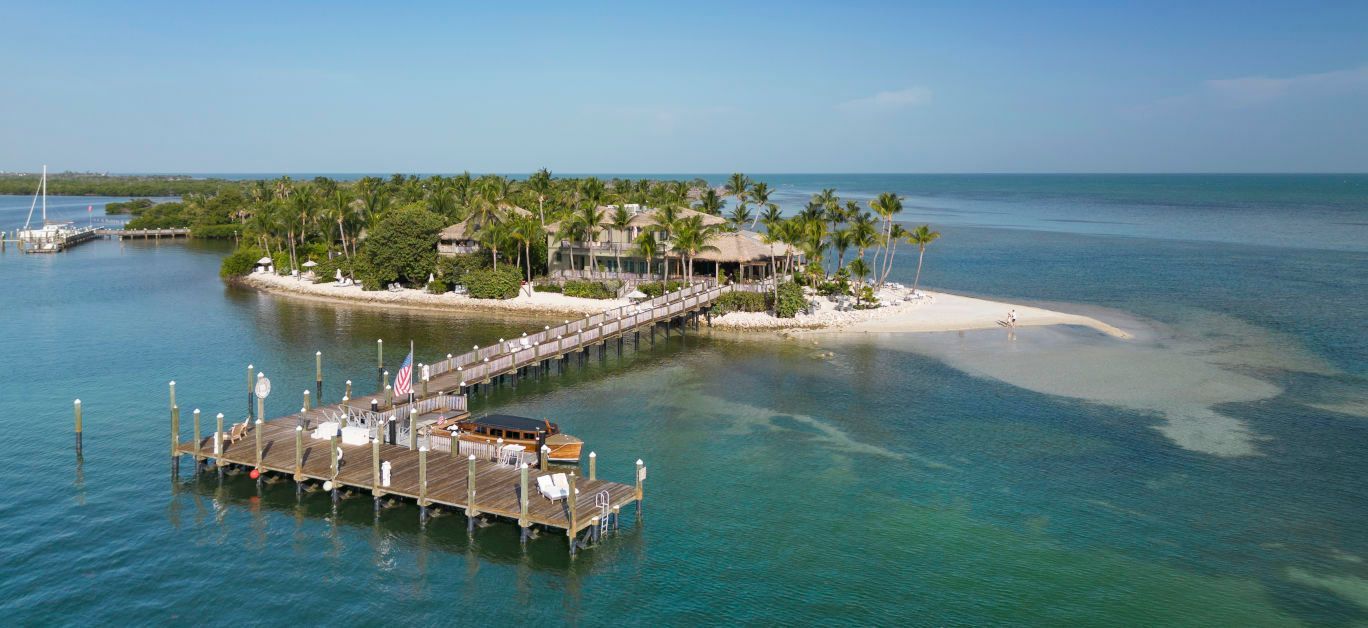
1. Stay Somewhere with Character
Where you stay can shape your entire experience.
Large international hotels offer comfort and familiarity, but smaller boutique properties or locally owned accommodations often provide a stronger sense of place. The architecture, décor, cuisine and atmosphere frequently reflect the culture and history of the destination.
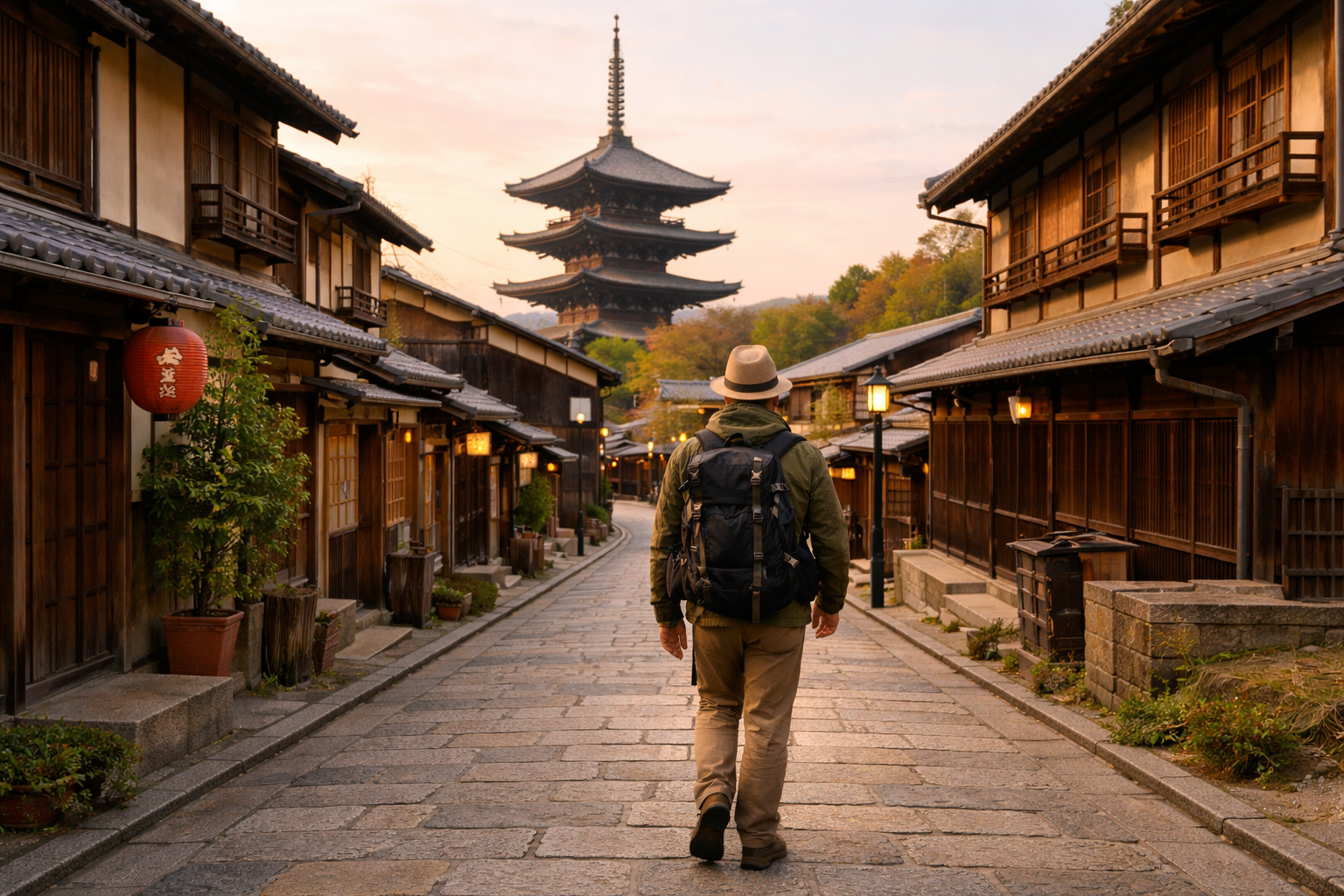
In cities such as Lisbon or Kyoto, for example, staying in a traditional building or heritage property can immediately immerse you in the local environment.
2. Explore Neighbourhoods, Not Just Attractions
Iconic sights are worth visiting, but culture often reveals itself in quieter corners.
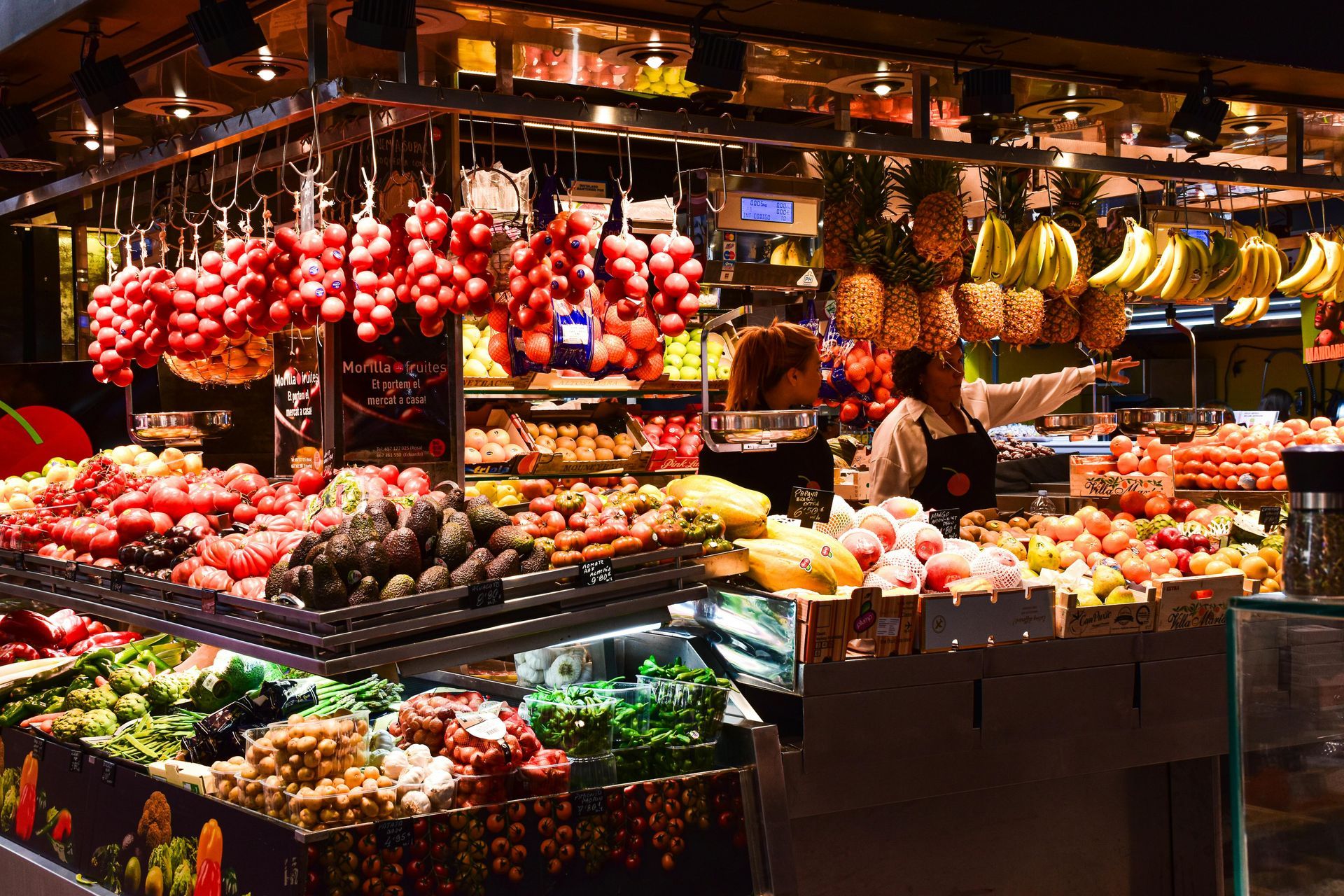
Take time to wander residential neighbourhoods, local parks and smaller streets. Independent cafés, bakeries and markets are often where daily life unfolds.
These moments can provide a far richer sense of place than simply moving between well-known landmarks.
3. Eat Where the Locals Eat
Food is one of the most direct ways to understand a culture.
Rather than only dining in restaurants aimed at visitors, look for places filled with local residents. Street food stalls, family-run eateries and neighbourhood bistros often serve the dishes that truly define a region.
Whether it’s tapas in San Sebastián or fresh seafood along the coast of Cape Town, local cuisine tells the story of a destination’s history, geography and traditions.
4. Learn a Few Words of the Language
You don’t need to become fluent, but learning a handful of phrases can make a surprising difference.
Simple expressions such as “hello”, “please”, and “thank you” show respect and openness. They also tend to unlock warmer interactions with local people.
Often, these small efforts lead to unexpected conversations and memorable encounters.
5. Take a Guided Experience with a Local Expert
A knowledgeable local guide can transform the way you see a destination.
Instead of simply explaining historical facts, the best guides share personal insights, stories and perspectives that visitors would otherwise miss.
From market tours to walking explorations of historic districts, these experiences provide context that brings a place to life.
6. Travel at the Pace of the Destination
Many travellers try to see as much as possible in a short period of time.
But cultural immersion often comes from slowing down. Spending longer in one location allows you to notice daily patterns, observe local customs and absorb the atmosphere more naturally.
Whether sitting in a café watching the world go by or exploring the same neighbourhood at different times of day, slowing down reveals layers that hurried itineraries often miss.
7. Stay Curious
Perhaps the most important ingredient in cultural immersion is curiosity.
Ask questions. Notice small details. Take interest in local traditions, crafts and customs. A simple conversation with a shop owner or guide can often provide more insight than a guidebook ever could.
Approaching travel with curiosity allows each destination to reveal itself in its own way.
The Value of Thoughtful Travel Planning
Creating opportunities for genuine cultural connection rarely happens by accident. The most rewarding journeys are usually the result of thoughtful planning and an understanding of how destinations truly work.
At Novium Travel, we design journeys that allow travellers to experience destinations more deeply, whether through carefully chosen accommodations, local expertise or experiences that go beyond the obvious.
Because the most memorable trips are rarely about how much you see.
They’re about how much you feel connected to the places you visit.