7 Protected Spaces That Will Absolutely Take Your Breath Away
If your wanderlust has been kicking into high gear lately, you are in the right place. This week, we are looking at the heavyweights of the natural world - the places that remind us just how wildly beautiful, raw, and diverse our planet really is.
Grab a coffee (or a passport), because we are diving into 7 protected spaces that will absolutely take your breath away.
3. Serengeti National Park (Tanzania)
The Cradle of Wildlife
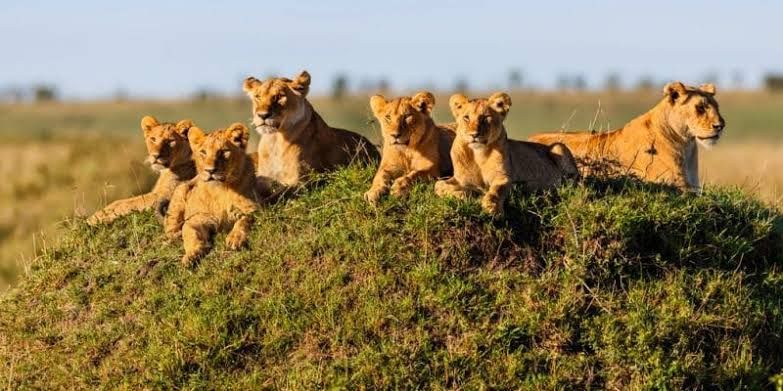
There are few places on Earth where nature puts on a show quite like the Serengeti. Stretching across a massive 5,700 square miles of open savanna, this park hosts the Great Migration - the largest overland wildlife movement on the planet, where over a million wildebeest and hundreds of thousands of zebras charge across the plains in search of fresh grass.
- The Vibe: Endless golden horizons and the raw, unedited circle of life.
- Don't Miss: A sunrise hot-air balloon safari over the plains, followed by a game drive to spot the "Big Five" (lions, leopards, elephants, rhinos, and African buffalo).
- Insider Tip: Timing is everything. If you want to see the dramatic river crossings where crocodiles lie in wait, aim to visit northern Serengeti between July and October.
4. Iguazú National Park (Argentina/Brazil)
A Symphony of Rushing Water
Straddling the border between Argentina and Brazil, Iguazú is not just a waterfall - it is an absolute assault on the senses. Home to a colossal network of roughly 275 individual waterfalls cutting through a lush, subtropical rainforest, the sheer volume of water cascading here will make your jaw drop.
- The Vibe: Thunderous roars, constant mist, and vibrant jungle green.
- Don't Miss: The Garganta del Diablo (Devil’s Throat). You can stand on a walkway right over the edge of this massive U-shaped chasm where the water plunges into a roaring abyss.
- Insider Tip: Visit both sides! The Argentine side gets you up close and personal, letting you walk right over and under the falls, while the Brazilian side gives you the unmatched, panoramic postcard views.
5. Yellowstone National Park (USA)
The Earth’s Fiery Underworld
As the world's first national park, Yellowstone sits atop a massive active super-volcano. Because of this, the park holds more than half of the planet's geothermal features. It’s a land where the earth literally breathes, bubbles, and shoots boiling water into the sky.
- The Vibe: Prehistoric landscapes, steaming geysers, and American megafauna.
- Don't Miss: Grand Prismatic Spring - a thermal pool framed by a rainbow of vivid oranges, yellows, and greens caused by heat-loving bacteria. Make sure to catch Old Faithful erupting, too.
- Insider Tip: Head to the Lamar Valley early in the morning. Often called America’s Serengeti, it’s the absolute best spot in the park to view wild bison herds, wolves, and grizzly bears.

6. Komodo National Park (Indonesia)
Where Dragons and Coral Reefs Collide
Tucked away in the Lesser Sunda Islands of Indonesia, Komodo National Park is a striking contrast of volcanic hills, pink sand beaches, and deep blue ocean. Most famously, it is the exclusive home of the Komodo dragon, the largest living lizard species on Earth, which can grow up to 10 feet long.
- The Vibe: Jurassic Park meets tropical marine paradise.
- Don't Miss: A guided trek on Komodo or Rinca Island to see the dragons safely, followed by snorkeling or diving at Manta Point to swim alongside giant manta rays.
- Insider Tip: Hike up the trail on Padar Island at sunrise. The viewpoint looks down over three distinct bays—one with white sand, one with black sand, and one with pink sand.
7. Tayrona National Park (Colombia)
Where the Jungle Meets the Caribbean
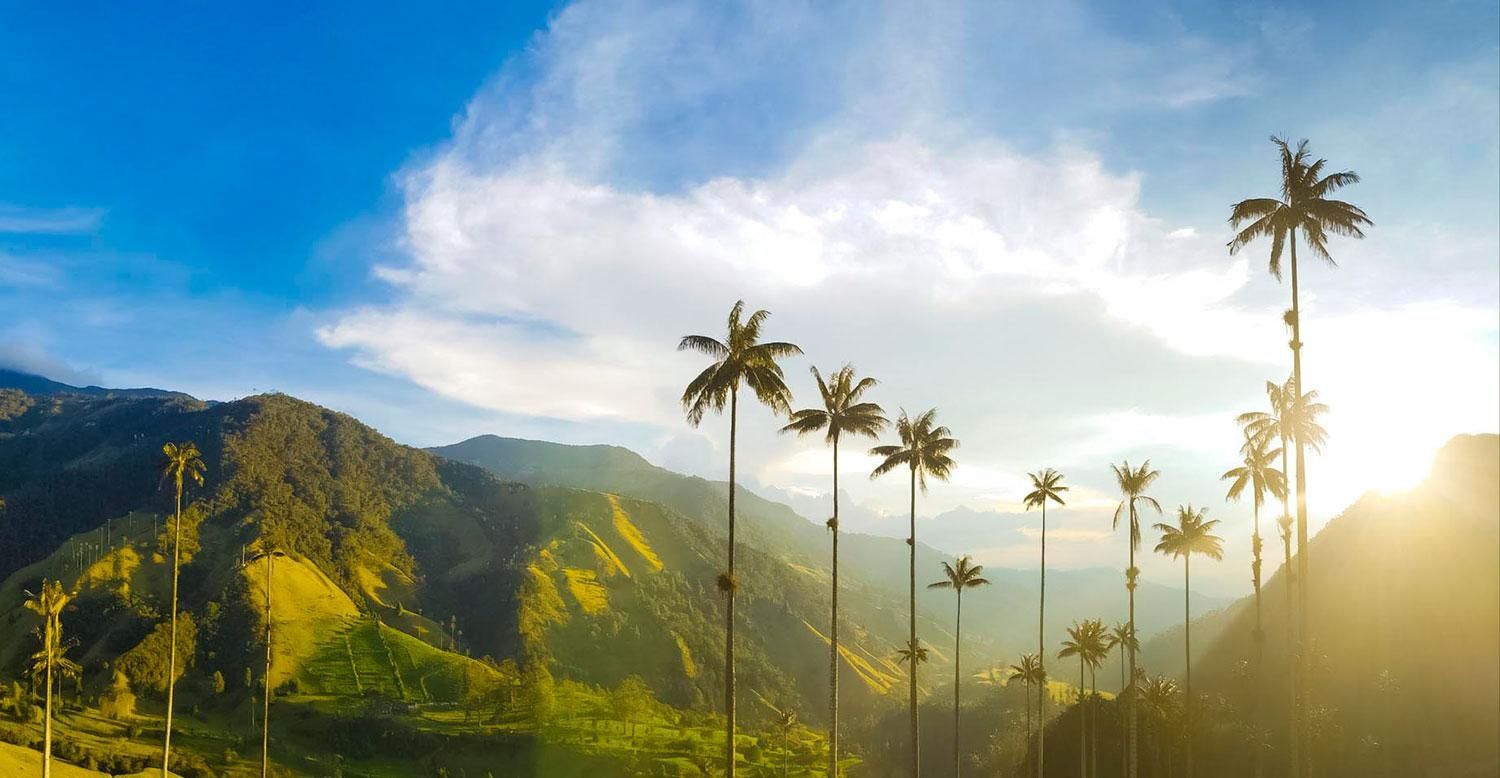
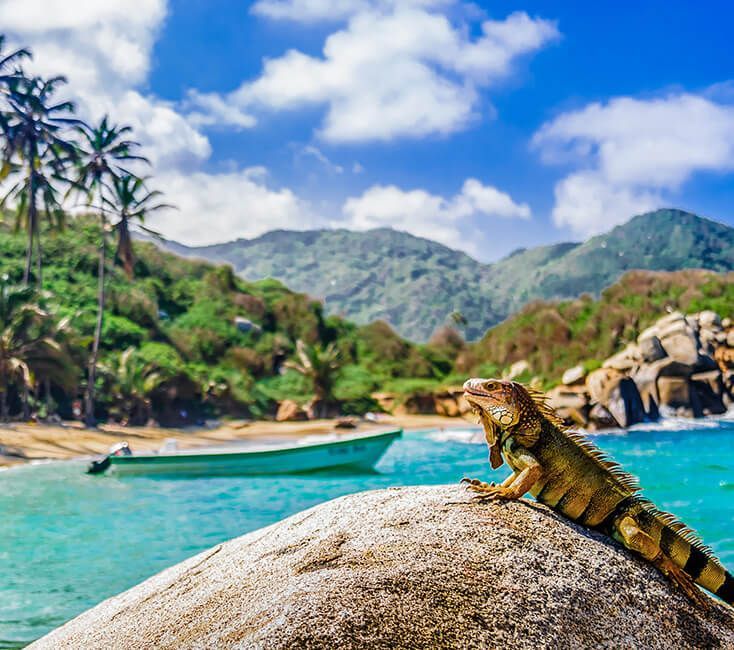
Situated where the foothills of the Sierra Nevada de Santa Marta (the world's highest coastal mountain range) slide directly into the Caribbean Sea, Tayrona is pure magic. It is a protected haven of deep-green tropical rainforests framed by massive, smooth coconut boulders and golden, palm-fringed beaches.
- The Vibe: Eco-adventure, indigenous history, and laid-back Caribbean soul.
- Don't Miss: The trek to Cabo San Juan, an iconic beach where two bays meet, topped with a rustic wooden hammock hut perched out on the rocks.
- Warning: Pay close attention to the signs! Beaches like Arrecifes have incredibly dangerous rip tides. Stick to safe swimming spots like La Piscina, a calm, natural pool protected by a coral reef.
A Quick Note on Responsible Travel: These places are extraordinary because they are protected. When you visit, remember to pack out all your trash, respect wildlife boundaries, and stick firmly to the designated trails. Let’s keep them breathtaking for the generations to come.
Which of these 7 bucket-list parks are you packing your bags for first?

1. Torres del Paine National Park (Chile)
The Ultimate Patagonian Frontier
If your dream adventure involves jagged granite peaks piercing the sky, massive grinding glaciers, and wind so fierce it makes you feel alive, welcome to southern Chilean Patagonia. The absolute centrepiece here is the Cordillera del Paine massif—a jaw-dropping group of three monolithic granite towers that look like they were carved by the gods.
- The Vibe: High-altitude drama, dramatic weather shifts, and epic open space.
- Don't Miss: The iconic W Trek or the full O Circuit. If you aren't up for a multi-day hike, you can still catch breathtaking views of Grey Glacier and the impossibly blue waters of Lake Pehoé by boat.
- Insider Tip: Keep an eye out for guanacos (Patagonia's native llamas) grazing in the steppes, and if you are incredibly lucky, the stealthy Patagonian puma.
2. Banff National Park (Canada)
The Jewel of the Canadian Rockies
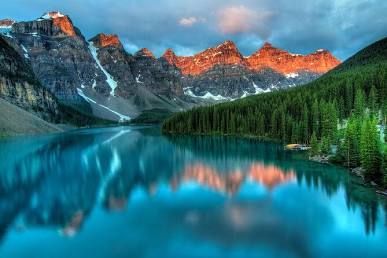
Established in 1885 as Canada’s very first national park, Banff is the gold standard for alpine beauty. It is a postcard brought to life: snow-capped peaks, sweeping pine forests, and glacial lakes so vibrantly turquoise they look like they’ve been photoshopped.
- The Vibe: Cozy mountain town comfort meets rugged, accessible wilderness.
- Don't Miss: Lake Louise and Moraine Lake. The rock flour (fine silt suspended in the water) reflects the light in a way that gives these lakes their surreal neon-blue hue.
- Insider Tip: Skip the summer traffic by exploring during the shoulder seasons. September brings golden larch trees and fewer crowds, while early winter turns the park into a literal snow globe.